How to Vet a Commercial General Contractor in Florida
How to Vet a Commercial General Contractor in Florida Choosing a general contractor is one of the fe...
How to Vet a Commercial General Contractor in Florida
Choosing a general contractor is one of the few project decisions that is expensive to undo. In our experience taking over projects from other contractors, replacing a GC mid-construction adds 25–60% to the cost, extends the schedule, and leaves the owner without a warranty on the work already in place.
Most of that risk can be screened out before you sign. Below is the due diligence we recommend to any owner or developer in Florida, including the checks we expect owners to run on us.
Start earlier than you think
The best time to bring in a general contractor is during design, not after the drawings are finished. Owners often approve features during design without knowing what they cost. By the time bids come in, those choices are baked into the drawings, and taking them out means redesign fees and lost time.
A GC involved early can price options as they come up and suggest value engineering (VE) alternatives: a different system, material or layout that delivers the same result for less. The tradeoff is a preconstruction fee. Many contractors, including us, credit that fee against the construction contract if you build with them, so the early advice costs little or nothing in the end.
15 checks before you hire
1. Verify the license. Search the contractor on myfloridalicense.com. Confirm the business has an active Certified General Contractor license and check whether any complaints or discipline are on record.
2. Check payment history and liens. A contractor that doesn't pay its subcontractors can leave liens on your property. Search the county clerk's official records for claims of lien on the contractor's past projects, and ask two or three of their subcontractors or suppliers how quickly they get paid.
3. Search for legal cases. Run a Google search on the company and its owners, then check the county clerk's court records for open or past lawsuits. One dispute isn't a red flag; a pattern is.
4. Ask how they pay their subcontractors. Ask how many days after receiving your payment the GC pays its subs, and how retainage is handled. A GC that pays subs promptly gets better subs, better pricing, and fewer delays on your job.
5. Ask for lien waivers with every payment. Each time you pay, the GC should deliver lien waivers from itself and from the subcontractors and suppliers paid out of that payment. Waivers are your proof that the money reached the people who did the work, so they can't file a lien on your property later. Ask whether this is the contractor's standard practice before you sign.
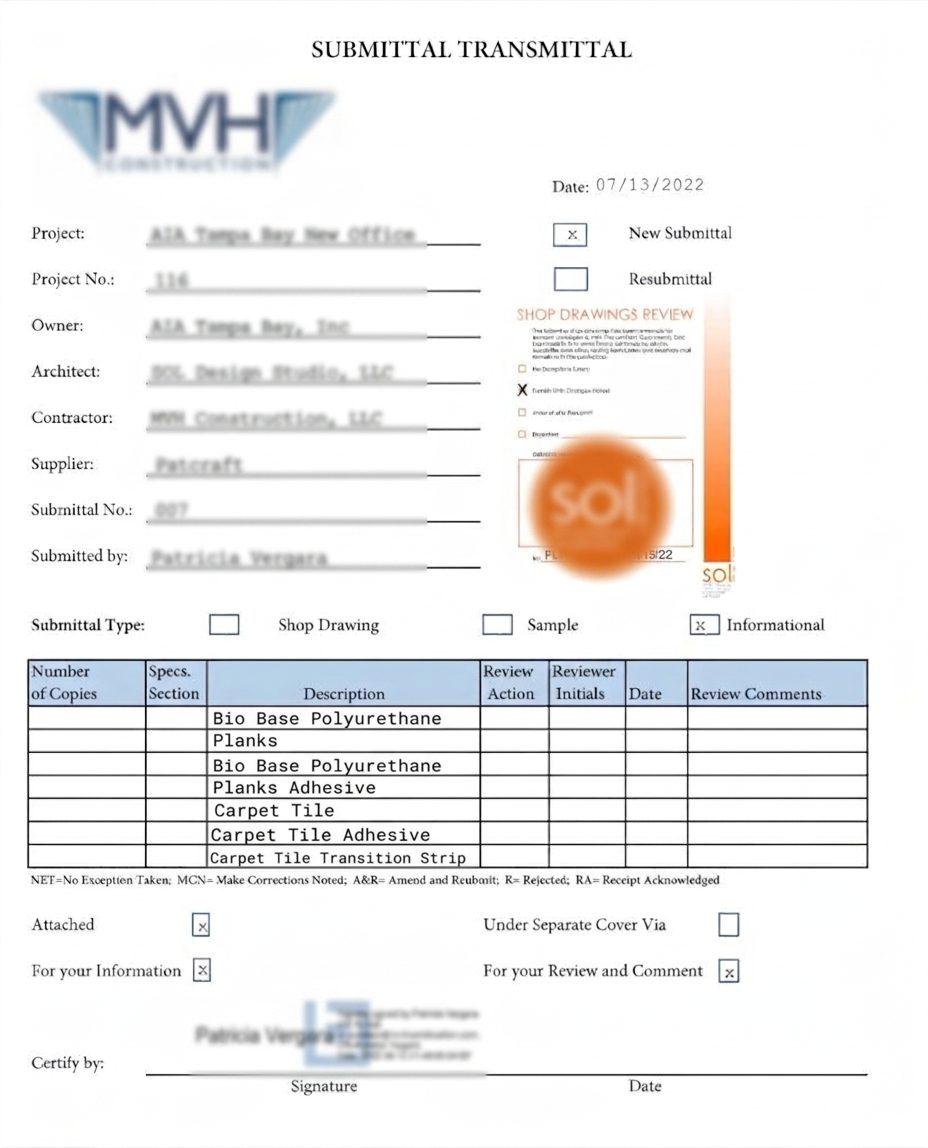
6. Ask which items they provide submittals for. Submittals are the product data, shop drawings, and samples a contractor sends to the architect and engineer for approval before ordering or installing materials. They confirm that what gets built matches what was designed. Ask which trades and items the GC submits for, and how they track approvals. A contractor that skips submittals is guessing, and you pay for wrong guesses.
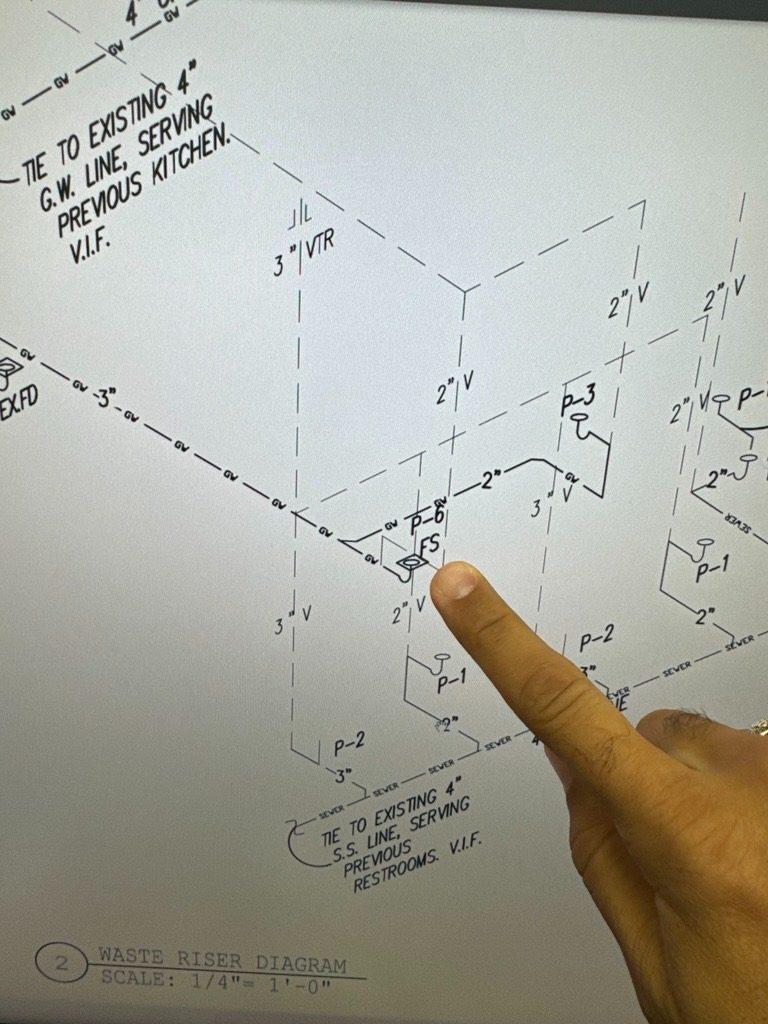
7. Ask how they resolve design-construction issues. Every project hits conflicts between the drawings and the field: a duct that won't fit, a missing dimension, a detail that can't be built as drawn. Ask how the contractor raises these (requests for information, or RFIs), how fast they expect answers, and who decides when a fix changes cost or schedule.
8. Read online reviews. Check Google, Yelp, and the BBB. Look at how the contractor responds to complaints, not just the star rating.
9. Get references from owners and designers. Ask for owners of projects like yours in type and size, and call them. Ask what went wrong and how the contractor handled it. Also ask for architects and engineers the contractor has worked with. Designers see how a GC handles submittals, RFIs, and changes, and they have no reason to oversell.
10. Review financial health. Ask for a completed AIA A305, Contractor's Qualification Statement, which covers the company's financials, experience, and references in a standard format. A bonding capacity letter from the contractor's surety is another useful signal, even on private work where you don't buy a bond: it shows a third party has reviewed the contractor's finances.
11. Confirm insurance. Get certificates of insurance for general liability and workers' compensation, and confirm them directly with the insurance agent.
12. Ask how you'll be kept informed. How often will you get updates, in what format, and from whom? Weekly written reports, a shared project management platform, and regular site meetings are reasonable expectations.
13. Meet the team that will build your project. The person who sells you the job is often not the one who runs it. Meet the project manager and superintendent who will be assigned.
14. Ask for completed projects like yours. Ask for two or three completed projects of your type and size, with photos and owner contacts. Experience with your building type means the contractor already knows its code requirements, inspections, and specialty systems, so fewer surprises reach your budget.
15. Check professional credentials. Credentials like the Project Management Professional (PMP) certification show training in schedule, cost, and risk control. They're a plus, not a requirement.
The checks take a few hours; a bad choice takes months
None of these checks requires special access, and most take minutes. Together they tell you whether a contractor is licensed, financially stable, fair to its subcontractors, and experienced with projects like yours.
MVH Construction is an engineer-led commercial general contractor in Tampa. We expect owners to run every one of these checks on us, and we're glad to provide our AIA A305, references, and insurance certificates up front. If you're planning a project in Tampa Bay, contact us early in design, when our input can save the most.
Related Articles
 Read More
MVH Construction Receives AIA Tampa Bay 2023 Contractor's Award for Historic Headquarters Restoration
MVH Construction Named Contractor of the Year by AIA Tampa Chapter for Its Headquarters Restoration...
 Read More
Commercial General Contractor Tampa
Commercial General Contractor In Tampa For Tampa Businesses, finding a commercial general contractor...
 Read More
Office Renovation Contractor Tampa | MVH Construction
Office Renovation Contractor In Tampa If your Tampa office space feels stuck in the past, you are no...